
Imagine a world where everything easy and cheap didn’t come in plastic. Right now, our world is struggling with too much plastic waste. To make better choices, we need to understand how different plastics are made and why we use them.
One common plastic you might not know by is high-impact polystyrene (HIPS). It’s everywhere—in your disposable spoons, your toys, and even inside your printer. We use it every day without even thinking about it.
So, how is HIPS made, and why should we care?
In this blog, we’ll look at the hidden world of HIPS, covering raw materials, the factory process, and how it affects the environment. Let’s take a look behind the scenes of the items you use every day. You might even find the answers to questions you didn’t know you had!
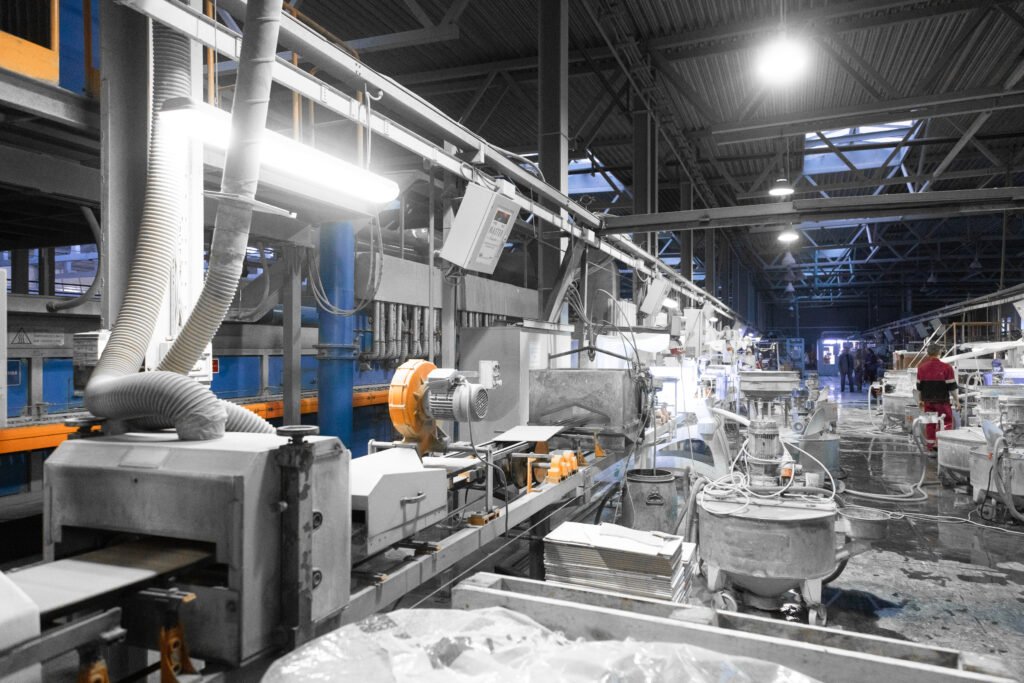
So, What Exactly is High Impact Polystyrene?
HIPS starts as a polymer called polystyrene. Manufacturers love this material because it’s lightweight and very easy to shape. Since it’s cheap to make and hard to break, it’s used for everything from food packaging to home appliances.
How It’s Made
HIPS is created by mixing polystyrene with a synthetic rubber called polybutadiene. Adding this rubber makes the plastic much stronger and more flexible. The result is a hybrid material that offers:
- High-impact resistance
- Thermoforming
- Durability
Why It Matters for Design
Over the years, HIPS has changed how products are designed. It allows creators to make items that are easy to carry and ship, cost-effective, and versatile.
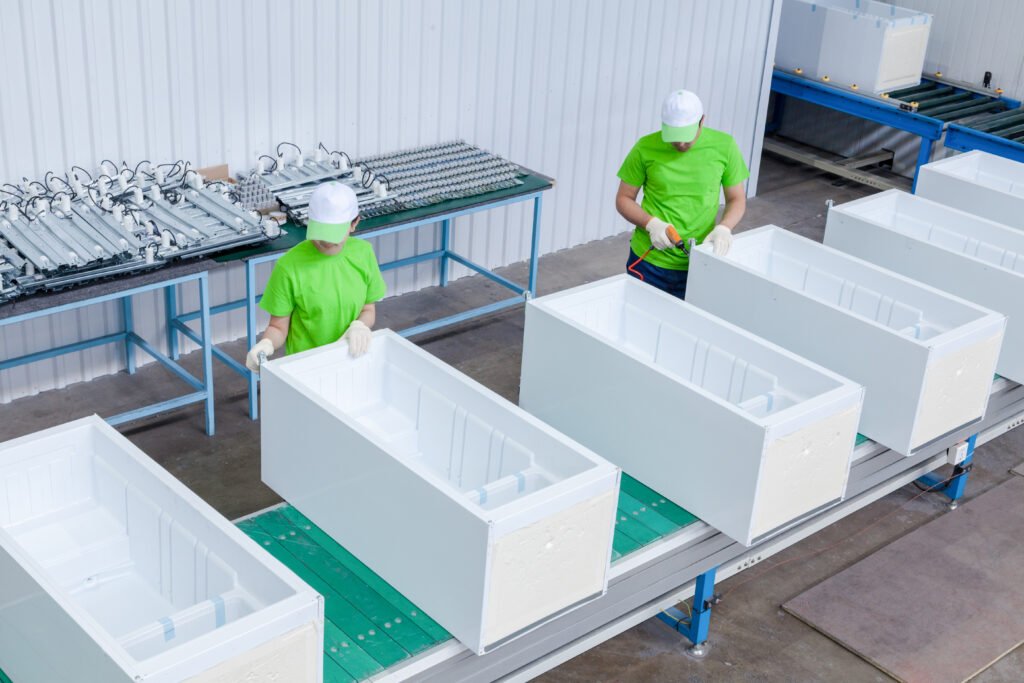
The Crystal Ball of Manufacturing
Understanding how HIPS is made reveals the science behind the items we use every day. The process is designed for efficiency and high-quality results.
Step-by-Step Production
The journey from raw materials to a finished product follows a specific path:
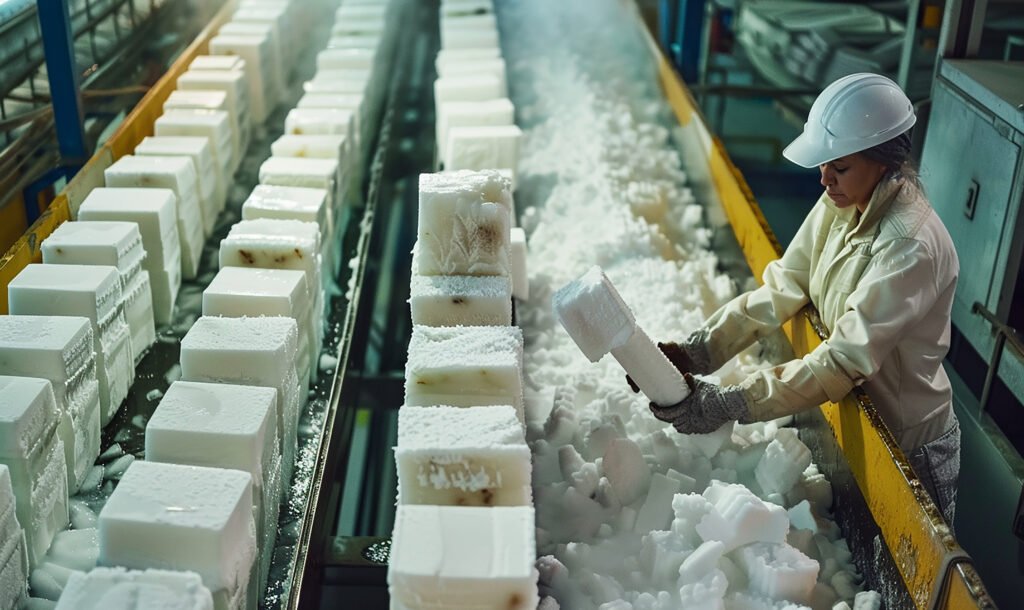
- The process starts by combining tiny pellets of polystyrene and rubber.
- These pellets are heated until they melt into a smooth, uniform mixture.
- Once the blend reaches the right consistency, it is cooled and cut into small shards.
- These shards can be melted down again at any time and molded into whatever shape is needed.
Quality and Consistency
Manufacturers keep a close watch on every stage of production. This “hawk-like” focus ensures:
- The plastic performs exactly as expected every time.
- The final product has a consistent look and strength throughout.
- The material can be reused and reshaped simply, reducing waste.
But, Why High Impact Polystyrene?
The main appeal of HIPS comes from its strength, ease of use, and ability to be recycled. Its toughness means products last longer, which leads to fewer replacements and less overall waste.
Environmental and Economic Benefits
HIPS offers several advantages that help both the planet and the consumer:
- Unlike many other plastics, HIPS is easy to recycle. This makes it a more “environmentally friendly” option for modern production.
- Since it’s hard to break, it stays in use longer, reducing the amount of plastic that ends up in landfills.
- It’s very cheap to produce, which helps keep the prices of everyday goods low.
Versatile Manufacturing
HIPS is a favorite in factories because it works well with many different production methods. This versatility allows for the “mass production” of goods, which has a direct impact on our daily lives:
- Mass production: Making thousands of items quickly and efficiently.
- Access to essentials: Lower costs mean more people can afford basic household items.
- Living standards: By making essential goods cheaper, HIPS helps improve the quality of life for many people.
The Silver Lining and the Cloud: Pros and Cons
Like any material, HIPS has both benefits and drawbacks. While it is a very useful plastic, it is important to think carefully about how and when we use it.
Pros
Manufacturers and customers choose HIPS for several key reasons:
- It is very hard to break or crack.
- It can be used for everything from simple forks to complex machine parts.
- It can be melted down and used again.
- It is one of the most affordable materials available.
Cons
We cannot ignore the environmental impact of using plastic:
- Not all HIPS plastic actually gets recycled. A large amount still ends up as litter or in landfills.
- Like all plastics, it takes a long time to break down in nature.
- Due to these issues, we must be careful and thoughtful about how much plastic we produce and throw away.
Conclusion: The Future of High Impact Polystyrene
Learning how HIPS is made helps us see the true story behind the items we use every day. Since it’s strong, cheap, and useful for almost anything, this plastic has played a huge part in our modern lives. However, its popularity also brings big problems, like pollution.
As we look to the future, we need to balance the good things about HIPS with the harm it can cause. As shoppers, we have the power to make a difference. Here’s how you can help:
- Support programs that make it easier to reuse plastic.
- Look for products made from sustainable materials.
- Try to cut back on plastic whenever you can.
Every small change starts with simply knowing more. By staying aware, we can enjoy modern life while still protecting the world around us.


Amilia Brown is a seasoned business writer & strategist who simplifies complex business concepts and turn them into engaging narratives. As a trusted business writer, she delivers actionable insights with precision.




 Indian CEOs in America: A Detailed Account of the Masterminds
  Add Boosters to Your Business Wheels in 2025 with These 5 Strategies
  6 Skills Every Business Leader Should Possess and Hone
  The Vital Role Of Plastic Tubing In Our Medical Infrastructure
  Why Treating Your Employees like Assets and Investing in Them is a Good Idea