The Central Bank of the U.S, a.k.a the Federal Reserve, works towards two primary goals-
- Stabilization of prices.
- Maximizing employment.
And to achieve these goals, the institution makes use of interest rates as the driving force, which causes a domino effect on the cost of borrowing, impacts consumer spending habits, and dictates the flow of liquidity.
That being said, the recent 16.6% drop in federal spending has had a ripple effect on the entire U.S economy. In this blog, we are going to explore how Federal Reserve policies affect small businesses in 2026. So, let’s stick till the end to learn more.
How Does Federal Spending Fuel the Local Economy?
Some of you might wonder how the government’s spending is impacting the local economy, right?
Well, it does via several channels, like-
- Govt. based infrastructure projects, especially the ones that employ local contractors.
- Defense suppliers and subcontractors.
- Healthcare reimbursements.
- Community grants.
- SNAP and other benefit programs.
Now, when the government decides to drop its spending, the ripple effects happen quickly. These shifts often complicate the broader economic impacts of Federal Reserve policies now. Projects get held back, local governments stall their plans, and healthcare offices start feeling the pinch of delayed payments. What’s worse is that people who are involved in these sectors get nervous and stop spending money on ‘extras.’
When it comes to small businesses, the clock starts ticking immediately. Usually, within 60 to 120 days of a federal budget cut, these businesses start seeing the impact in their own books—whether it’s a canceled contract, a late payment, or just fewer customers walking through the door.

Sectors That are Most Affected by the Drop
The massive 16.6% drop in federal spending has indeed had its effects. However, here are a handful of sectors that are feeling the consequences of the current Federal Reserve policy of the U.S the most-
- Construction and other skilled trades
General contractors, along with professionals like electricians, plumbers, and HVAC technicians, stand at the forefront of the impact! Since the government’s expense cut, infrastructural projects are getting delayed. On top of that, subcontractor payments are also getting delayed.

- Healthcare
The healthcare industry is facing a seemingly different kind of situation right now! Federal reimbursements are slowing down, and the cost of keeping staff is still sky-high. Even with plenty of patients, these practices are facing awkward ‘cash flow gaps’ where the money coming in doesn’t quite keep up with the bills going out.
- Restaurants/ retail
This one is quite simple. Since government workers or contractors are worried about their own paychecks, they stop eating out and skip the extra shopping trips. Therefore, local restaurants or retail spots are experiencing fewer footfall and ultimately, less revenue.
- Transport and manufacturing
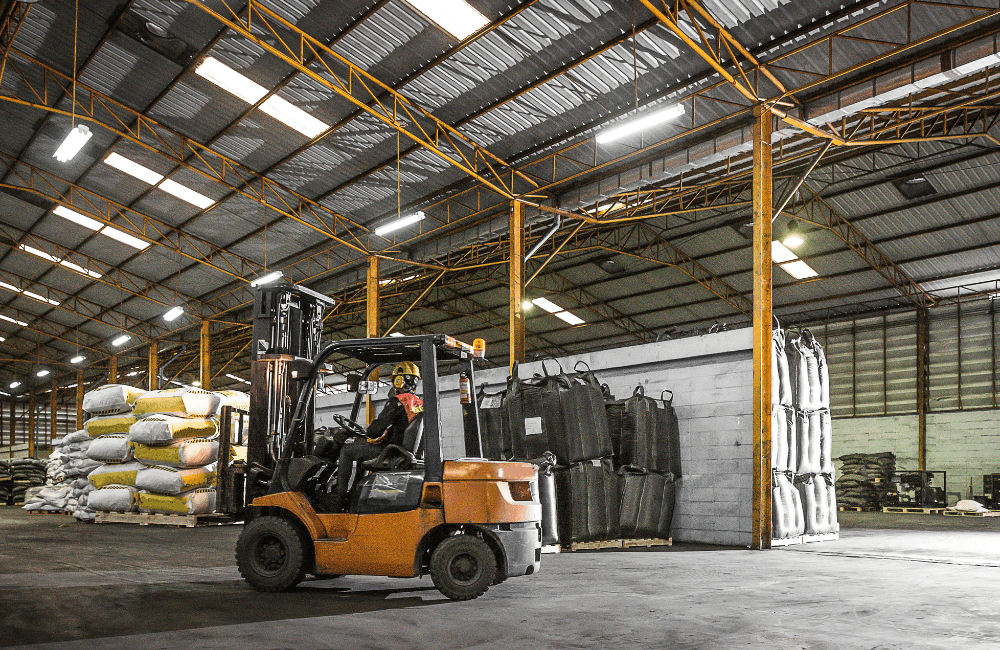
If the government buys less stuff, it means there’s less stuff to move. Trucking companies and small factories, therefore, are witnessing a ‘logistical slowdown.’ Between fewer federal orders and a dip in exports, the pace of business has slowed down significantly.
- B2B services
The federal spending cuts are even posing an indirect impact on B2B service providers. How so? Well, when clients are pausing expansions for the next Federal Reserve policy statement release, professionals like accountants and consultants are feeling the pinch through a sharp decline in service revenues. So, if you want to remain operational, consider these adjustments to upgrade your marketing plan to maintain a steady cash flow.

Why is 2026 Becoming a Challenging Year for Small Businesses?
In 2026, small businesses are literally stuck between a rock and a hard place due to these two major reasons-
- The uncertainty of revenue
When the government stops spending, the overall vibe of the local economy witnesses a significant shift. There’s less money floating around, which means customers would hesitate to say ‘yes’ to a purchase. Not just that, but projects get put on hold, and everyone starts feeling a bit more cautious. This substantially reduces the economic velocity of a region.
- Inflation
Although sales have slowed down, the overall operational costs haven’t. Everything from labor to rent to material costs, etc., is still expensive. Added to that, because inflation is sticking around, the Federal Reserve Policy on interest rates is likely to stay high.
This is ultimately creating a classic trap for small businesses. Their costs are locked in at a high level, but the money they expect to come in (revenue) is growing thin. And when the margins start getting squeezed like this, profit starts getting compressed, and the overall cash flow becomes the ultimate concern.
What’s the Survival Strategy in this Tumultuous Period?
Surviving in such a tumultuous period is probably one of the toughest things for a small business. However, if they implement the following strategies, they will be in a much stronger position to handle what the future throws at them.
- Keep track of the cash runway: A business runs on cash flow. So, check how much cash you have, and figure out how many months you can operate seamlessly if your revenues reduce by 10% or 20%. This way, you won’t be panicking about a lack of cash flow later on.
- Get credits before revenues start to drop: This may sound counterintuitive, but it follows various financing small business landscape and policy recommendations for this year. However, it’s a fact nonetheless! The best time to ask for a loan or a line of credit is when your business looks great on paper. Don’t just wait until the bank sees a revenue drop.
- Don’t put all eggs in one basket: If you are depending on one big client or contract, try to find a few new ways to bring in cash. Remember, diversification is the best solution. You can also take a look at these newly funded startups in the U.S to see how they are maintaining agility from the very beginning.
- Check the expenses: Wherever you can, try to avoid any such long-term costs. Instead, look for setups where your expenses can be controlled or reduced if the demand falls. This flexibility is vital while facing the Federal Reserve’s high interest rates in 2026.
- Get a buffer fund ready: This is one of the most critical things that many small business owners tend to overlook. During such challenging times, always have a buffer fund ready. This extra cash in the bank lets you have some breathing room and helps you make smart choices instead of desperate ones.
- Negotiate with vendors: Now is a great time to ask for better payment terms. Whether it’s an extra 15 days to pay or a discount for paying early, every little bit helps your cash flow.
The biggest shift that you, as a small business owner, have to make is a shift in mindset. If you wait until there’s a crisis, your options will be limited.
Wrapping Up
The 16.6% federal spending cut is indeed significant. However, this is also a high time when small business owners should adopt a proactive financial strategy to make sure that they get through this phase seamlessly. And to do that, they need to understand the implications of the Federal Reserve monetary policy effectively.
That being said, if you like to share such insights on how small businesses can navigate in such an economy, we at The Business Trendz would love to hear from you! Just send us your blogs under our write for us business category, and win a chance to get featured!
F.A.Qs
1. How does the Federal Reserve protect businesses?
The Federal Reserve helps manage monetary policies, interest rates, and ensures a stable financial system. Not just that, but the institution also supervises and regulates the financial institutions so that they align with the protocols and promote a safe environment for businesses.
2. What are the 4 functions of the Federal Reserve?
Here are the 4 major functions of the Federal Reserve-
- Crafting monetary policies to manage inflation.
- Supervising financial institutions.
- Maintaining the stability of the financial system.
- Acting as the bankers to banks.
3. Who benefits from the Federal Reserve?
The U.S. Government, along with large commercial banks, is the one that benefits from the Federal Reserve policies.


Amilia Brown is a seasoned business writer & strategist who simplifies complex business concepts and turn them into engaging narratives. As a trusted business writer, she delivers actionable insights with precision.



 Add Boosters to Your Business Wheels in 2025 with These 5 Strategies
 - 6 Skills Every Business Leader Should Possess and Hone
- The Vital Role Of Plastic Tubing In Our Medical Infrastructure
- Demonetization and Its Effect on Indian Financial Ecosystem
- Indian CEOs in America: A Detailed Account of the Masterminds


