
Everyone dreams about launching their venture and achieving financial freedom. Some tend to overthink and get overwhelmed by possibilities, while others are practical enough to research and plan out their strategy meticulously. Fortunately for you, we have done the research and crafted a solid roadmap to launch a lucrative e-commerce website in 2026 and are giving it away for free. So, if you have planned to set up an e-commerce store, make sure to follow this e-commerce business guide for the best results.
Step-by-step guide to launching an e-commerce business in 2026:

1. Identify and research your niche
Amazon didn’t start as an all-in-one store where you can buy everything from spoons to heavy lathe machines. Instead, it started as a humble book store that slowly diversified into several niches and grew to become the largest online store.
Similarly, you need to find a niche to make it big. Instead of leaning towards broad general trends, establish your e-commerce business to solve problems in industries with fewer competitors. A small niche allows you to research the right products in depth and strategize accordingly.

2. Create business identity and branding
Crafting a strong brand identity is essential, especially if you’ve planned for an e-commerce venture. And the process isn’t as easy as it seems! It involves the following elements-
- Selecting a good name for your business.
- Designing a professional logo.
- Defining your brand’s unique voice.
Remember, it’s 2026. So, your branding must resonate emotionally with your target audience. This will eventually help foster long-term loyalty.
Added to that, a cohesive visual identity across your website and social media channels can help users differentiate your store from competitors. This will make your business more recognizable and trustworthy.
If you were looking for e-commerce website design hacks, follow these 10 tips to ensure maximum traffic!

3. Research the market and validate your niche
You’ve decided on a niche. Great! However, a great niche may not bring the best results. You need to make sure that the products you choose have a demand to make your business profitable. Otherwise, you need to get back to the drawing board of e-commerce business ideas and discover a different niche.
It starts with identifying your audience. Are you selling to individuals, businesses, or both? Next, you need to assess the market size. If the market projects that you’ll be able to sell just 10 mountain e-bikes, success would be elusive. Understand the spending habits of your demographic, learn about the competition, and figure out other details for solid market research.

4. Find vendors or manufacture products
When you’re sure about the demand for your product, it’s time to source it. If it’s a product that exists in a different market, your job gets easier. You can simply source them from existing vendors and sell them on your platform. If the product has a demand and doesn’t have a source, youre-commerce business plan is sure to succeed.
However, you need to go through the painstaking process of working with a manufacturer and testing out the product before introducing it to the market. If you are an artist, you can also launch an on-demand service where you create custom products after the order details come in. Hand-made and custom products often tend to become the best e-commerce businesses since they have higher perceived value and that allows you to demand a premium.
5. Set up a marketing campaign
Now that you’ve set up your store, you need to drive traffic and sales to thrive in this competitive market! And the best way to do that is to implement a robust multi-channel marketing strategy. Include a mix of social media advertising, email marketing, and search engine optimization (SEO). This can help you reach out to more potential customers.
Also, integrating AI-driven personalization and video content has become the new trend in 2026 as it helps capture attention. This way, you can diversify your outreach and refine your marketing tactics to maximize ROI.

6. Choose a shipping strategy
Your shipping strategy is directly proportional to customer satisfaction.
So, the best way to leverage this is to offer diverse delivery options. When a user sees that they can buy a product at a flat rate or free shipping, it reduces cart abandonment significantly!
Along with that, speed and transparency have also become critical factors for e-commerce businesses nowadays. Therefore, offering real-time tracking and sustainable packaging can further enhance the unboxing experience.
7. Pick an online platform
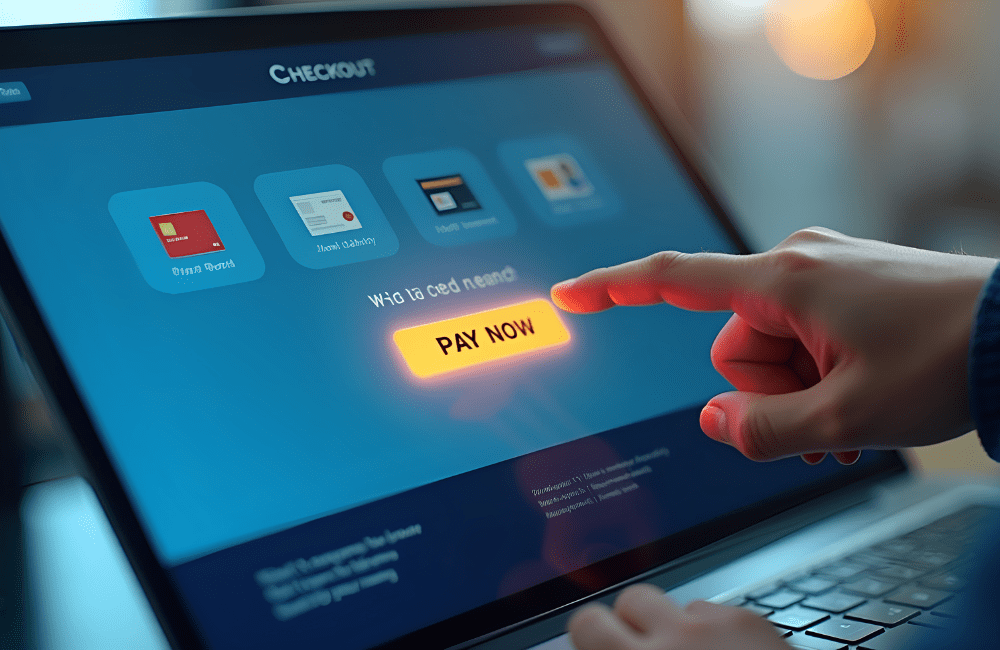
Next, you need to select an online platform to sell your products. You have two options:
- Sell on existing channels like Etsy or Amazon
- Create an e-commerce store from scratch (with tools like WordPress, Shopify, WooCommerce, etc.
With the first option, you have payments, essential features, and an existing client base on the platform. It’s the perfect e-commerce business for beginners. On the other hand, when you design and deploy your own e-commerce store, you get to save on the big cut that Amazon and others take. However, you’re responsible for adding advanced features and maintaining the website.


Amilia Brown is a seasoned business writer & strategist who simplifies complex business concepts and turn them into engaging narratives. As a trusted business writer, she delivers actionable insights with precision.




 Add Boosters to Your Business Wheels in 2025 with These 5 Strategies
 - 6 Skills Every Business Leader Should Possess and Hone
- The Vital Role Of Plastic Tubing In Our Medical Infrastructure
- Demonetization and Its Effect on Indian Financial Ecosystem
- Indian CEOs in America: A Detailed Account of the Masterminds


