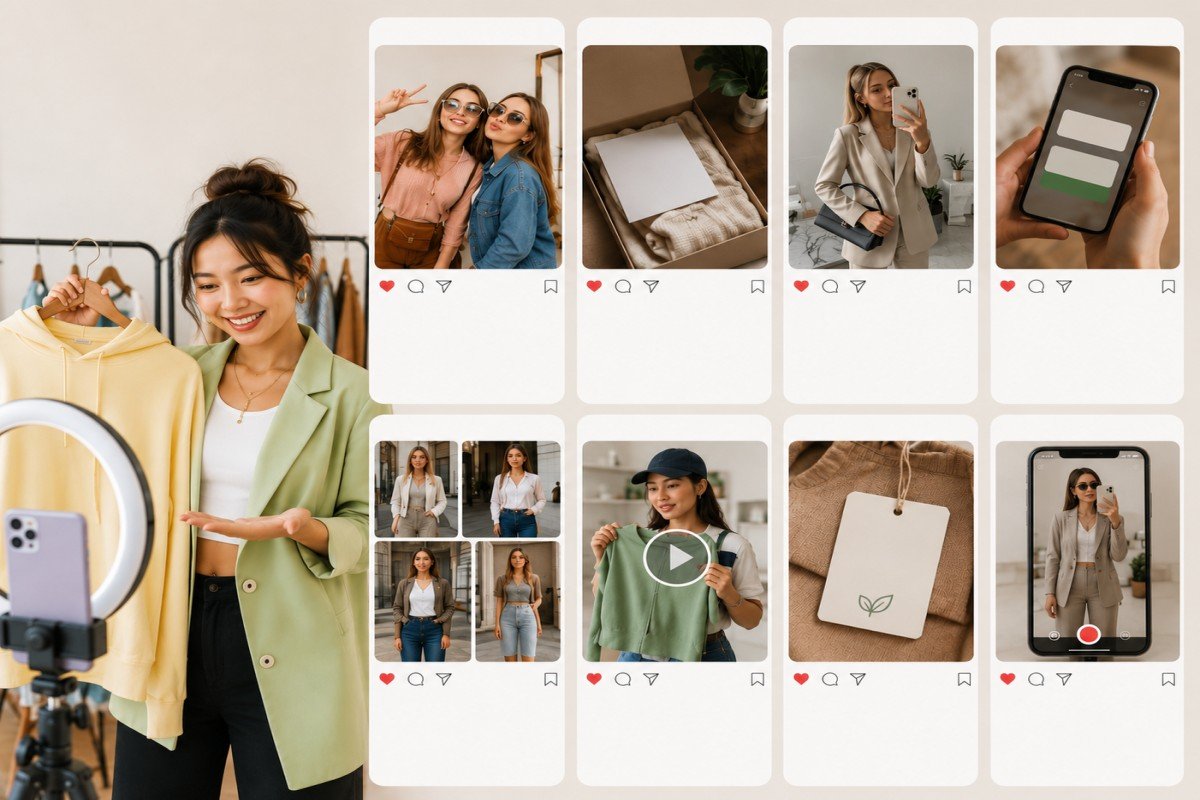
Social media trends evolve, and content remains essential, as it measures engagement and audience interests. The digital world changes at a fast pace; keeping up with current trends is a must.
The social media content ideas for Gen Z need to be innovative and exciting to capture the attention of the young users. For brands, creators, and businesses, understanding what captures the attention of younger users is essential. Unlike traditional content, new and creative ideas connect with the younger audience.
Why Understanding Younger Audiences Matters
Younger consumers are digitally savvy. They have a high understanding of technology and social media. Moreover, they are highly selective about the content they engage with. To connect with them successfully, brands should focus on providing authentic content, entertaining ideas, and interactive experiences.
Gen Z can quickly identify content that feels overly inauthentic. Creating relevant and genuinely engaging social media content for Gen Z has a better chance of attracting and retaining younger followers.
Why Trendy Content Is Important?

Appealing and attention-grabbing posts have a huge impact on the algorithm. Try creating posts that capture the feed of the young audience. Gen Z-focused social media content connects with audiences and builds your follower base. For example, a brand can launch an Instagram challenge like #7DayStyleSwitch, where users share creative outfits and tag friends to participate. Such interactive challenges encourage engagement, increase visibility, and foster a sense of community among followers. As a result, your social media becomes vibrant and improves your chances of retaining the young followers.
Social media marketing for young consumers needs genuine and relatable content. The young audiences have transformed a brand’s approach. From influencer collaboration to behind the scenes, marketing for young consumers requires deep knowledge in the digital field.
For example, Zomato shifted from traditional promotional content to witty social media posts and relatable memes to connect with Gen Z consumers. Instead of focusing solely on food delivery services, the brand started engaging audiences through humour, references, and interactive campaigns on Instagram and other social media platforms. This approach helped Zomato build a strong online personality and increase engagement among younger users who value authentic and entertaining content from brands.
Social Media Ideas

By leveraging trends and unique experiences, brands can effectively build a meaningful connection with the young audience. Making creative content ideas for Gen Z improves authenticity and interaction. You can also monetise your account for further benefits. You need to make exclusive content that can only be accessed through a paid subscription. From user-generated content to storytelling, brands that prioritise meaningful engagement are more likely to build lasting relationships with Gen Z consumers.
Short Form Videos
Proper Content Ideas for Gen Z Engagement are generated by understanding audience preferences and continuously adapting to recent trends. Short-form video content is one of the leading content types dominating social media platforms. The short-form videos are fun to watch. Gen Z absolutely adores these videos as they are crisp and meaningful. Studies show that short-form videos are one of the most popular content formats among Gen Z, with many young users spending over an hour daily watching videos on platforms like Instagram Reels and YouTube Shorts.
For example, the views of this generation focus more on liking challenge videos. You can reach new audiences more easily when you make quick videos with good songs and a trending concept. Gen Z users are particularly drawn to challenge videos. A real-life example is the #InMyDenim challenge, where users showcased fashion transformations using trending music and quick video edits. The challenge generated thousands of user-created videos and helped the brand reach a much larger young audience. These campaigns show how combining popular music and short-form videos can significantly increase visibility and audience engagement.
Behind-The-Scenes Content
Popular social media platforms for Gen Z include Instagram Reels, Facebook Reels, YouTube Shorts, and many more. The audience always trusts transparency, for which bts reels remain as one of the most trending content for Gen Z viewers. The bts reels include the product creation process, event preparations, and many more.
For example, a clothing brand shows the process of weaving the cloth and how designers sketch new collections. The bts reels make the users feel like a part of the process rather than only a spectator.
Influencer Marketing

Influencer marketing on Gen Z shoppers is an effective way to reach the audience. Influencer marketing is more authentic and relatable, making it easier for young consumers to trust product recommendations. Gen Z tends to follow creators whose lifestyles, values, and interests align with their own, which gives influencers significant purchasing power.
When an influencer shares a genuine product review, tutorial, or personal experience, followers are more likely to view the recommendation as trustworthy rather than promotional.
Trendy Ideas And Memes
Best content type for young audiences prioritises authenticity. They genuinely like content that aligns with their values. Often, micro-influencers with smaller but highly engaged audiences can generate stronger trust than celebrity endorsements.
For example, share relatable memes that make your content go viral. You can mix memes with your brand’s message to keep them fun but relevant. A good meme can encourage the Gen Z audience to share your post with their friends. Swiggy regularly uses trending memes and humorous posts on Instagram and X to engage young users. By turning everyday situations and food cravings into branded content, Swiggy has built a strong social media presence and earned thousands of shares and interactions from Gen Z audiences.
User-generated Content
User-generated content ideas should always be evolving and following the recent trends. There are many types of content creation strategies. Among these, user-generated content is very popular. Ugc content builds trust, authenticity, and reliability. People rely on content made by real users, as there is loyalty and engagement. Instead of polished brand advertisements, UGC showcases real experiences from real people.
A real-life example is Mamaearth, which regularly shares customer reviews and skincare routines on its social media platforms. By featuring real customers and their experiences, the brand builds trust and authenticity among young consumers.
Live Videos

Live videos help in engaging with the audience directly. Unlike pre-recorded content, live videos are interactive, and they build trust among the audience. The benefits of Social Media for Brands are significant in today’s digital-first world. Social media platforms help businesses increase brand visibility and build long-term customer relationships cost-effectively. Live videos are widely channelised on platforms such as Instagram Live, YouTube Live, and Facebook Live.
For example, a fashion brand hosting a session to showcase their new and ongoing collection according to the newest trends. AJIO uses live launches and influencer-led fashion showcases on social media to introduce seasonal collections. By combining entertainment with shopping, such events effectively capture Gen Z’s attention and boost customer engagement.
Collaboration With Brands
Collaboration with the brands is a powerful marketing strategy where companies partner with influencers, creators, or other businesses to promote products. This helps in audience behaviour analysis. You can understand which type of audience likes what type of content. These collaborations help brands reach new audiences and build trust.
For example, a food blogger collaborating with a food brand. This not only enhances the viewers’ interest in the food brand but also increases the brand’s popularity amongst the Gen Z audience. McDonald’s India is partnering with popular food influencers and creators on Instagram and YouTube to review new menu items and share tasting experiences. This demonstrates how influencer partnerships can effectively help food brands connect with younger audiences.
Storytelling And Educational Content
Storytelling and educational content are powerful tools in modern digital marketing. When combined, storytelling and content opportunity analysis strategies allow brands to create meaningful content. Instead of directly promoting products, brands use storytelling to share real experiences that are relatable and memorable.
A real-life example is Josh Talks, which shares podcast-style interviews and inspirational stories from creators and professionals. These videos combine personal experiences with practical lessons on careers, business, and self-development.
Interactive Polls
Asking interesting questions to the followers will keep them hooked to your content. Polls and Q&A sessions encourage people to interact with your content, making them more enthusiastic. You need to maintain a social media content calendar to keep track of your questions and the responses you get.
For example, you can ask simple questions like “What’s your favourite social media platform?” Interactive content keeps your audience entertained and makes them feel involved. A real-life example is Netflix, which frequently uses Instagram Stories polls, quizzes, and question stickers to engage followers. The brand asks viewers to vote for their favourite characters and choose preferred shows.
Track Increase In Online Reach
Tracking your online reach helps you understand whether your content is successfully attracting and engaging your target audience, especially Gen Z users. This improves the follower growth and refines the social media strategy accordingly.
- Keyword research for social media helps you to analyse the phrases audiences use while searching or engaging with content on social platforms. It helps brands understand what their target audience is interested in. Thus, improving visibility across different social media platforms.
- Competitor content analysis is the process of reviewing and evaluating the content strategies used by your competitors on social media. It helps brands understand what type of content is performing well in their industry and what topics are receiving more engagement by the Gen Z audience.
There are various social media strategies for youth engagement. Following the correct way can make your page more exciting. If you stay creative, then you can achieve viral success on social media. Moreover, you can also understand industry trends, audience preferences, and successful content patterns. Thus, to conclude, when combined with consistent strategy and creativity, brands can stay relevant and better connected with their target audience in the fast-changing digital sphere.
If you are interested in digital marketing and social media, you can share your thoughts at Write for us Digital Marketing.
FAQs
Why is short-form video content popular among younger audiences?
Short-form video content is popular among younger audiences because it is quick, engaging, and easy to consume, while providing entertaining and relatable content.
Which social media platforms are most popular with younger audiences?
The most popular social media platforms among younger audiences include Instagram, YouTube, and Snapchat.
What are some low-cost social media content ideas for younger audiences?
Low-cost content ideas include behind-the-scenes videos, user-generated content, simple tutorials, polls, and many more. These formats require minimal budget.
Are influencer partnerships effective for younger audiences?
Yes, influencer partnerships are highly effective for younger audiences. They trust the popular creators and their brand promotion tactics.
What makes a social media post shareable?
A social media post becomes shareable when it is relatable, entertaining, and visually appealing. Content that includes valuable information and humour is more likely to be shared widely.


Amilia Brown is a seasoned business writer & strategist who simplifies complex business concepts and turn them into engaging narratives. As a trusted business writer, she delivers actionable insights with precision.




 Indian CEOs in America: A Detailed Account of the Masterminds
  Add Boosters to Your Business Wheels in 2025 with These 5 Strategies
  6 Skills Every Business Leader Should Possess and Hone
  The Vital Role Of Plastic Tubing In Our Medical Infrastructure
  Why Treating Your Employees like Assets and Investing in Them is a Good Idea