
A lot has changed in the world of digital marketing in 2026.
But the factor that has engulfed traditional marketing practices is that consumers have become more aware and selective about the brands they trust, and the kind of content they like to consume on social media.
And this shift in practice has led to a significant increase in brand creator partnerships, which is redefining how brands are trying to connect with people in today’s day and age. The focus today is on authenticity, shared values, and long-term relationships.
So, let’s explore this blog till the end, and learn in detail how brand-creator partnerships are evolving, and what the future looks like.

Brand Creator Partnership Strategies in 2026
Focus on long-term relationships to build trust
Earlier, many brands, for the sake of promotion, would pay creators on the basis of singular posts. But that policy became extinct in 2026!
Why so?
Because brands have finally understood that this approach doesn’t help build trust. That’s exactly the reason why you may see a massive increase in influencer-brand partnerships nowadays, spanning a long period. This long-term partnership has a two-way benefit-
- It allows the creator/influencer to implement the product in their daily life.
- When audiences come to know about this long-term relationship of their favorite creators with a brand, they start to believe in the product and the value it offers.
That’s why more brands are focusing on developing long-term relationships with creators, as-
- This approach helps build a deep consumer trust over time.
- This allows creators to understand the brand voice thoroughly.
- The content feels like a recommendation, rather than a promotional campaign.

Shared ownerships
Creators and influencers won’t be endorsing brands for free, but the nature of such deals is changing in 2026. Brands are slowly shifting from flat fee per video to equity deals with top-tier creators. And that’s giving rise to equity-based storytelling partnerships across various industries.
But how is this helping the brand? Well, when creators move toward equity deals, it makes them part-owners of the brands they are promoting. This ensures that the creator is equally invested in the specific brand’s success, as is the CEO of the brand!
That being said, shared ownership also helps build credibility and trust, which are crucial factors that give brands a competitive edge in this dynamic market.

Reducing over-reliance on scripts
Another crucial evolution in the brand-creator collaboration landscape is the increase in the creator’s freedom. Previously, brands wanted creators to follow a script word by word.
However, the issue with that approach was that it looked and felt too mechanical, which robbed the authenticity from the campaigns.
But now, brands are moving towards expanding creative freedom. This means they will let the creators have free rein on how to approach the promotion. And this leads to better engagement, because only the creator is aware of what triggers their audience, and what they prefer! As a result, the content performs better.

Partnering with micro-influencers
Celebrity partnerships might bring huge engagements and ROI. But that can’t happen without a massive budget!
So, what’s the trick for newly-established brands to foster audience engagement and ROI? The answer is hyper-localized content. And that’s the area where partnering with micro-influencers can fetch outstanding results.
How so?
Well, micro-influencers (the ones having less than 50k followers) have a niche audience. That’s why their engagement rates are often higher than global icons! Why?
Because the followers see these creators as their peers, and therefore, can relate to them far better. As a result, micro-influencer partnerships make it easier for brands to target specific demographics and form a strong, loyal community.
Leveraging AI to collaborate with the right creators
Earlier, brands used to struggle a lot to find the right creators to start a partnership.
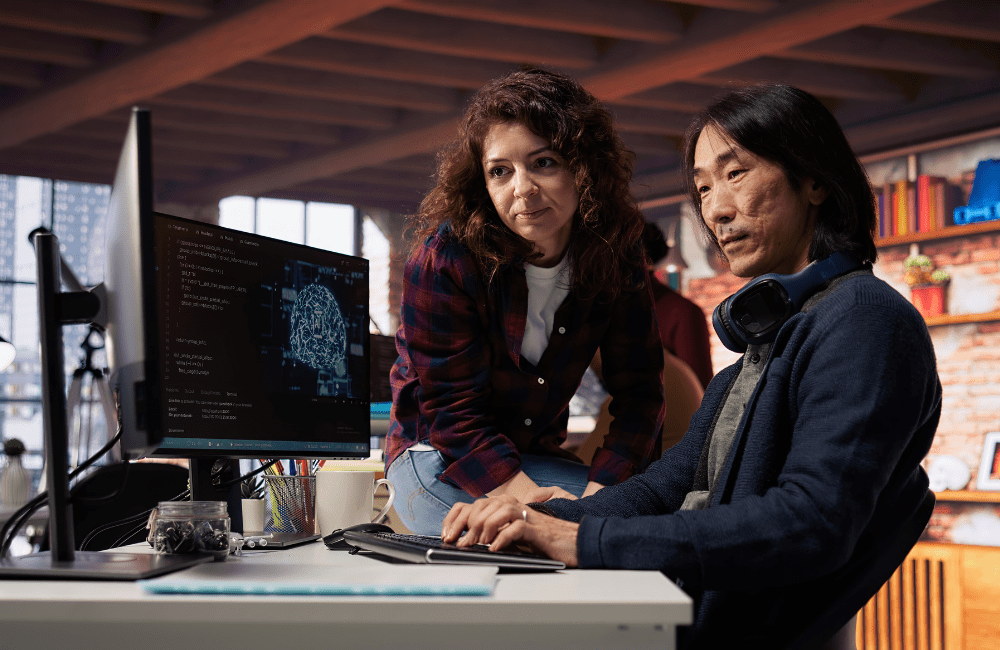
But those days are over! In 2026, more brands are leveraging AI to analyze follower counts, engagement rates, and ROI to find the right influencers to collaborate with. This strategic shift to AI-powered influencer marketing has helped small as well as large brands to find creators with small but loyal communities, thereby maximizing every buck of their marketing spends effectively.

Focus on transparency
It’s 2026, and audiences have become smart enough to spot fake endorsements! Therefore, they won’t take much time to scroll away, even if they see their favorite creators endorsing a brand.
This has finally brought about a change in how brands create long-term creator contracts. Nowadays, if a creator stops using a brand’s products in real -life, the contract comes to an end. This approach ensures that the partnership between both parties remains authentic and transparent.
But how does that help? Well, if the audience sees their favorite influencers/ creators being honest, they engage better, and eventually become more willing to spend.

Dwell times and conversions > views and likes
There was once a time when brands used to select creators based on the views and likes on their content.
But times have changed. At present, brands focus more on the overall dwell time and direct-to-cart conversions. This shift in approach has further refined partnerships between brands and creators.
How so?
Well, creators are now allowed to access brand dashboards. This helps them see how their content is performing in real-time! Not just that, but this level of transparency enables them to tweak their storytelling approaches, which results in better engagement and, therefore, better ROI!

Human Connection: The Force Behind Modern Marketing
In this dynamic world of modern marketing, users are more interested in trusting people, rather than a brand or a business. And the evolution of brand-creator partnerships is a vivid proof that today’s users find human connection and shared values to be the only currencies.
So, in the near future, the modern marketing mantra for brands is quite simple- treat the creators as partners, and the audience WILL engage when they see that their favorite creator’s voice is respected!
F.A.Qs
1. What are the predictions for influencer marketing in 2026?
Here are some of the predictions for influencer marketing in 2026-
- Influencers are moving to long-term partnerships.
- Nano and micro influencers will be outperforming celebrities.
- AI can help scale, but can’t replace creators.
- Creators/ influencers will become advisors rather than brand promoters.
2. What will replace influencers?
The traditional inauthentic macro-level influencing will be replaced by a trust-based and transparent ecosystem. Nano and micro-influencers will be playing a major role in this shift.
3. What are 5 niches commonly used by influencers?
Here are 5 of the most common niches that influencers focus on-
- Beauty/ fashion.
- Health and wellness
- Lifestyle
- Technology
- Finance
4. What makes the most money for influencers?
Brand partnerships and sponsored content are two of the primary income sources for influencers.


Amilia Brown is a seasoned business writer & strategist who simplifies complex business concepts and turn them into engaging narratives. As a trusted business writer, she delivers actionable insights with precision.




 Add Boosters to Your Business Wheels in 2025 with These 5 Strategies
 - 6 Skills Every Business Leader Should Possess and Hone
- The Vital Role Of Plastic Tubing In Our Medical Infrastructure
- Demonetization and Its Effect on Indian Financial Ecosystem
- Indian CEOs in America: A Detailed Account of the Masterminds


