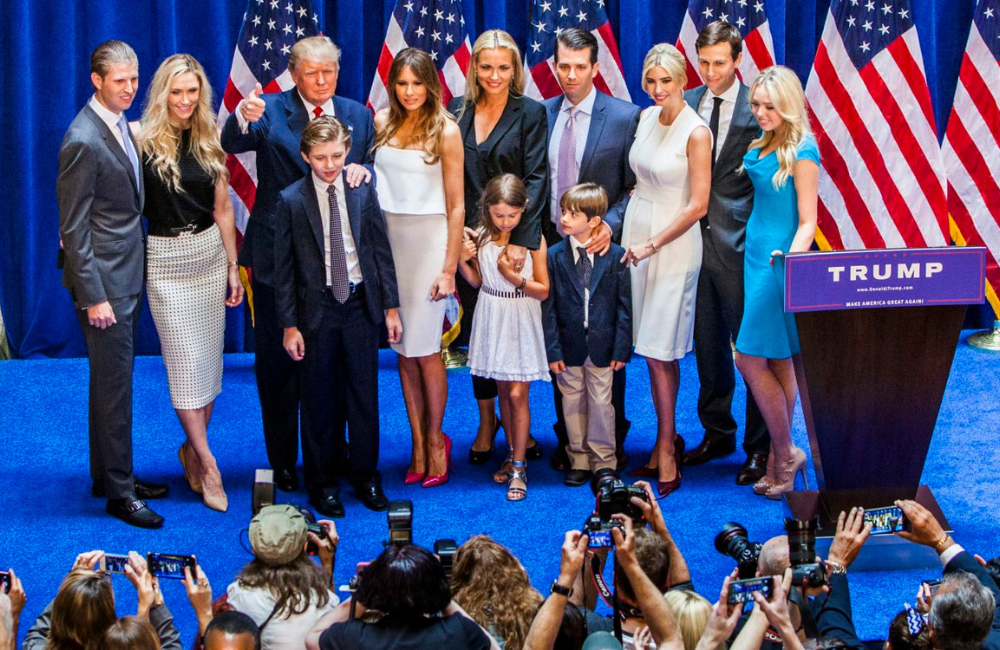
What happens when business and politics start to overlap more than ever before? That question has come up repeatedly in recent years, especially as conversations around presidential finances grow louder.
Trump’s family business expansion and activity, both during and after political office, have sparked a broader debate: could this set a new precedent for how future presidents approach profit-making?
Let’s break this down in a way that’s easy to follow, without the noise.
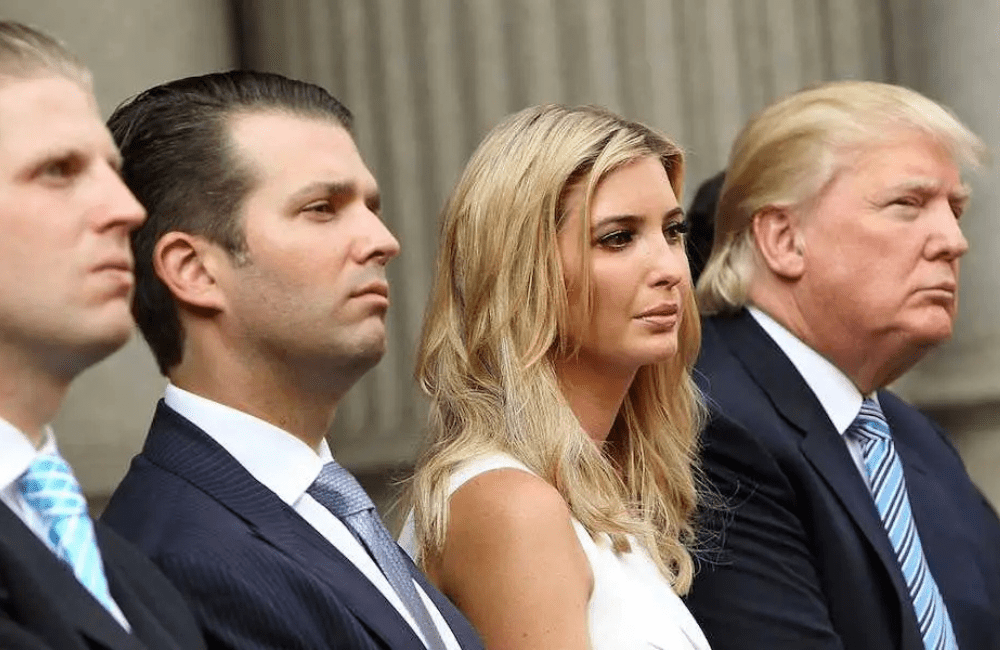
A Quick Look at Trump’s Business Background
Before stepping into politics, Donald Trump was known primarily for his real estate empire and branding ventures. The business career of Donald Trump spans decades, covering hotels, golf courses, licensing deals, and media appearances.
Over time, his company evolved into a global brand. Estimates around Donald Trump’s organization’s net worth have varied widely, depending on asset valuation and debt exposure, but there’s no doubt the brand has had significant global recognition.
This matters because it set the stage for what came next: a blending of business visibility and political influence.
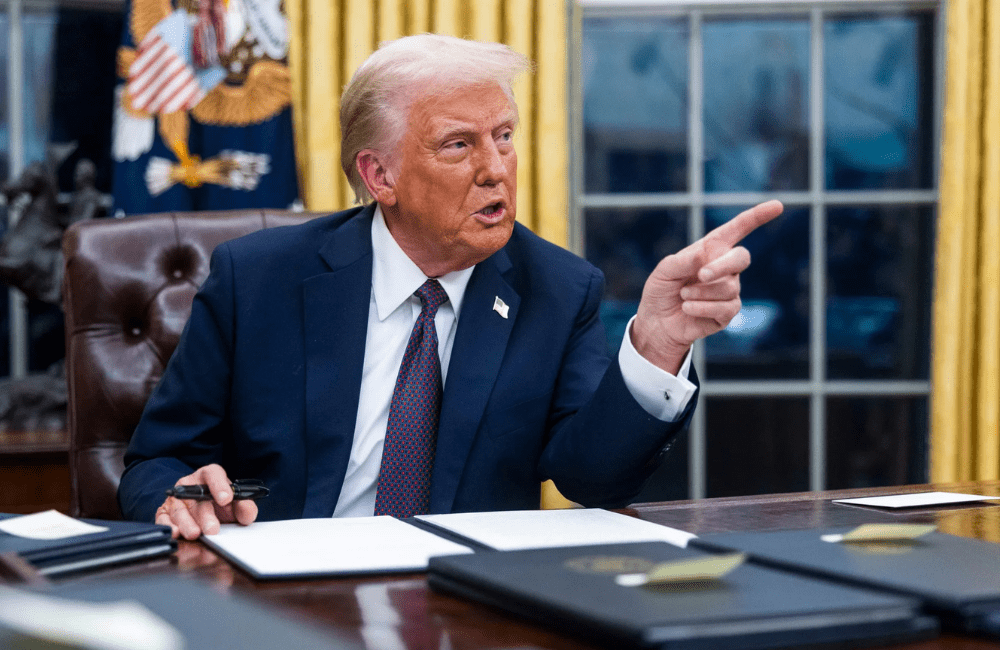
Trump Business Expansion During and After Office
One of the most talked-about developments has been the Trump business expansion into new markets, partnerships, and industries. Reports and public filings suggest that the Trump Organization and related entities explored deals across different countries, even during politically sensitive periods.
This has raised a key issue:
Can a sitting president, or their close family, engage in global business without creating conflicts?
The phrase ‘Trump family expands global business deals’ has become shorthand for this growing concern.
Whether it’s real estate licensing or newer ventures like the World Liberty Financial crypto business, the expansion has been both ambitious and controversial. Especially when, shortly before the 2025 inauguration, the Trump family offloaded nearly 50% of World Liberty Financial to a UAE government-linked firm. This move was directed by a member of the royal family in a deal totaling $500 million.
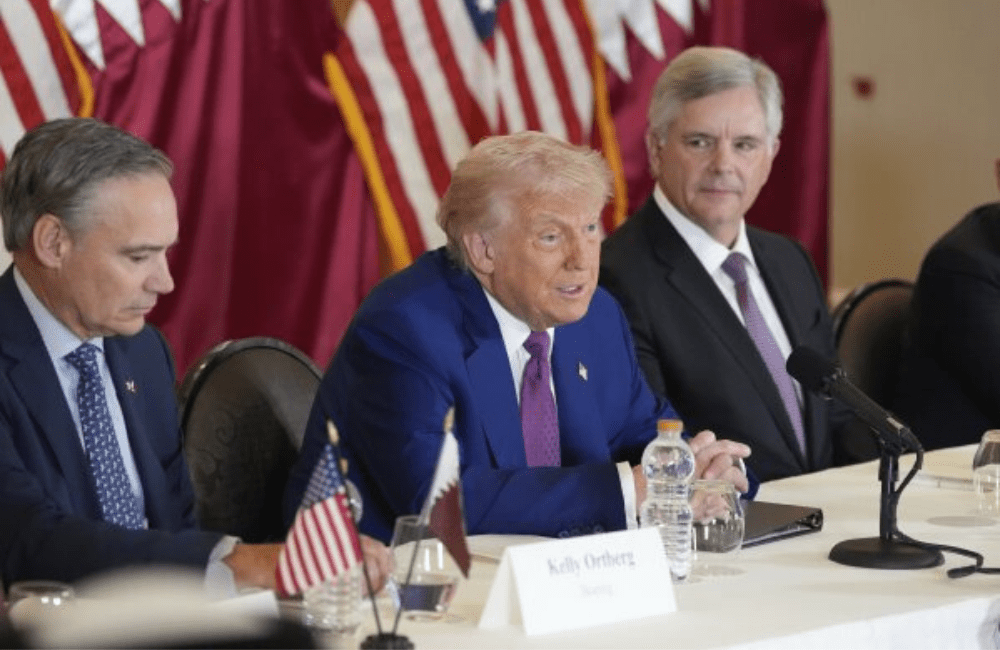
Where Business Meets Politics: The Core Concern
At the heart of this discussion is a simple but serious question:
Do these business activities create international business conflicts of interest?
When a president has ties to businesses that operate globally, foreign governments or investors might see opportunities to gain influence. This brings up the broader issue of foreign influence on US presidents, which has always been a sensitive topic in American governance.
Even if no direct wrongdoing occurs, the perception alone can erode public trust. Especially after the controversial tariff decisions occurred, which have become a cause of concern for various countries. Learn how tariffs are affecting everything, from raw materials to beauty products. Understand how the government’s decisions are affecting everyday consumers.
Ethics in Executive Leadership: Why It Matters
The presidency isn’t just another job but a position that demands high standards of transparency and accountability. That’s why ethics in executive leadership is such a critical area.
Traditionally, presidents have taken steps to distance themselves from their business interests. Some have placed assets in blind trusts or fully divested. These actions were meant to avoid even the appearance of impropriety.
The Trump approach challenged that norm. Instead of full divestment, the structure relied more on internal management changes, often involving family members.
This shift has prompted experts to ask whether ethical expectation be updated or enforced more strictly.
Constitutional Limits and Legal Gray Areas
Interestingly, the US Constitution does address financial conflicts, at least in principle. The Emoluments Clauses are designed to prevent presidents from receiving benefits from foreign states.
But applying these clauses to modern, complex business structures isn’t straightforward. This is where constitutional limits on presidents start to feel less clear-cut.
Several cases and debates have emerged around judicial challenges to presidential profits, but courts have often struggled with procedural issues like standing, rather than delivering definitive rulings on the core questions.
In simple terms, the law exists, but enforcing it in today’s business environment isn’t easy.
Financial Record Scrutiny of Presidents: A Growing Expectation
Another trend worth noting is the increasing demand for transparency. The scrutiny of a president’s financial records has become more intense, with voters and watchdog groups pushing for more disclosures.
Tax returns, business ties, and income streams are now part of the mainstream political discussion. This level of scrutiny reflects a shift in public expectations.
People want to know if the president is acting in the country’s best interest or their own financial interest.
Can the President’s decisions affect another country’s real estate market? The implications are raising the costs for the average American citizen.
Could This Set a Precedent for Future Presidents?
Here’s where things get intriguing.
If one administration pushes the boundaries of what’s acceptable, future leaders might follow suit or go even further. That’s why many analysts believe the current situation could set a long-term precedent.
Imagine a future where presidential candidates openly maintain global portfolios while in office. Without clear rules, the line between governance and profit could blur even more. This is why discussions around Trump’s business success rate and expansion aren’t just about one family. They are about the evolving expectations of presidential conduct.
The Role of Regulation Moving Forward
To address these concerns, policymakers may need to revisit existing laws. Possible approaches include:
- Clearer definitions of conflicts of interest
- Mandatory divestment requirements
- Stronger enforcement of disclosure rules
- Updated interpretations of constitutional provisions
These changes wouldn’t target any single individual. They would aim to create a consistent framework for all future presidents.
The Trump family’s business activities have done more than generate headlines. Instead, they have sparked a serious conversation about the intersection of power and profit.
Whether you see it as innovation or a cause of concern, one thing is clear. The traditional boundaries around presidential business dealings are being tested.
And once boundaries shift, they rarely snap back completely.
For voters, lawmakers, and future candidates, the challenge now is figuring out what standards should look like in a world where business and politics are more connected than ever. Share your thoughts about this topic with us at Write For Us: Business.
FAQs
1. How much money did Trump’s businesses make during his presidency?
During his first term (2017–2021), Donald Trump’s businesses reported approximately $1.6 billion in revenue. Since returning to the office in 2025, estimates for his first-year profits alone range from $1.4 billion to $4 billion.
2. How many of Donald Trump’s businesses have failed?
Donald Trump’s businesses have filed for six Chapter 11 bankruptcies, primarily involving his Atlantic City casinos and the Plaza Hotel. Beyond these legal filings, other ventures like Trump University, Trump Ice, and Trump Steaks also ultimately failed to survive.
3. How many golf courses does Donald Trump own?
Donald Trump currently owns and operates 16 golf courses globally through the Trump Organization. This portfolio includes 11 locations in the United States and five international properties in Scotland, Ireland, the United Arab Emirates, and Indonesia.
4. How much money has been generated by Trump’s tariffs?
As of May 2026, the tariffs implemented during the second Trump administration have generated roughly $214.7 billion in additional revenue above 2022–2024 averages. However, following a Supreme Court ruling, approximately $165 billion of these collections may be subject to refunds.
5. What is America’s biggest source of revenue?
America’s largest source of revenue is individual income taxes, which account for approximately 50% of total federal receipts. In fiscal year 2025, this generated roughly $2.6 trillion, followed by payroll taxes for Social Security and Medicare.


Amilia Brown is a seasoned business writer & strategist who simplifies complex business concepts and turn them into engaging narratives. As a trusted business writer, she delivers actionable insights with precision.




 Indian CEOs in America: A Detailed Account of the Masterminds
  Add Boosters to Your Business Wheels in 2025 with These 5 Strategies
  6 Skills Every Business Leader Should Possess and Hone
  The Vital Role Of Plastic Tubing In Our Medical Infrastructure
  Why Treating Your Employees like Assets and Investing in Them is a Good Idea