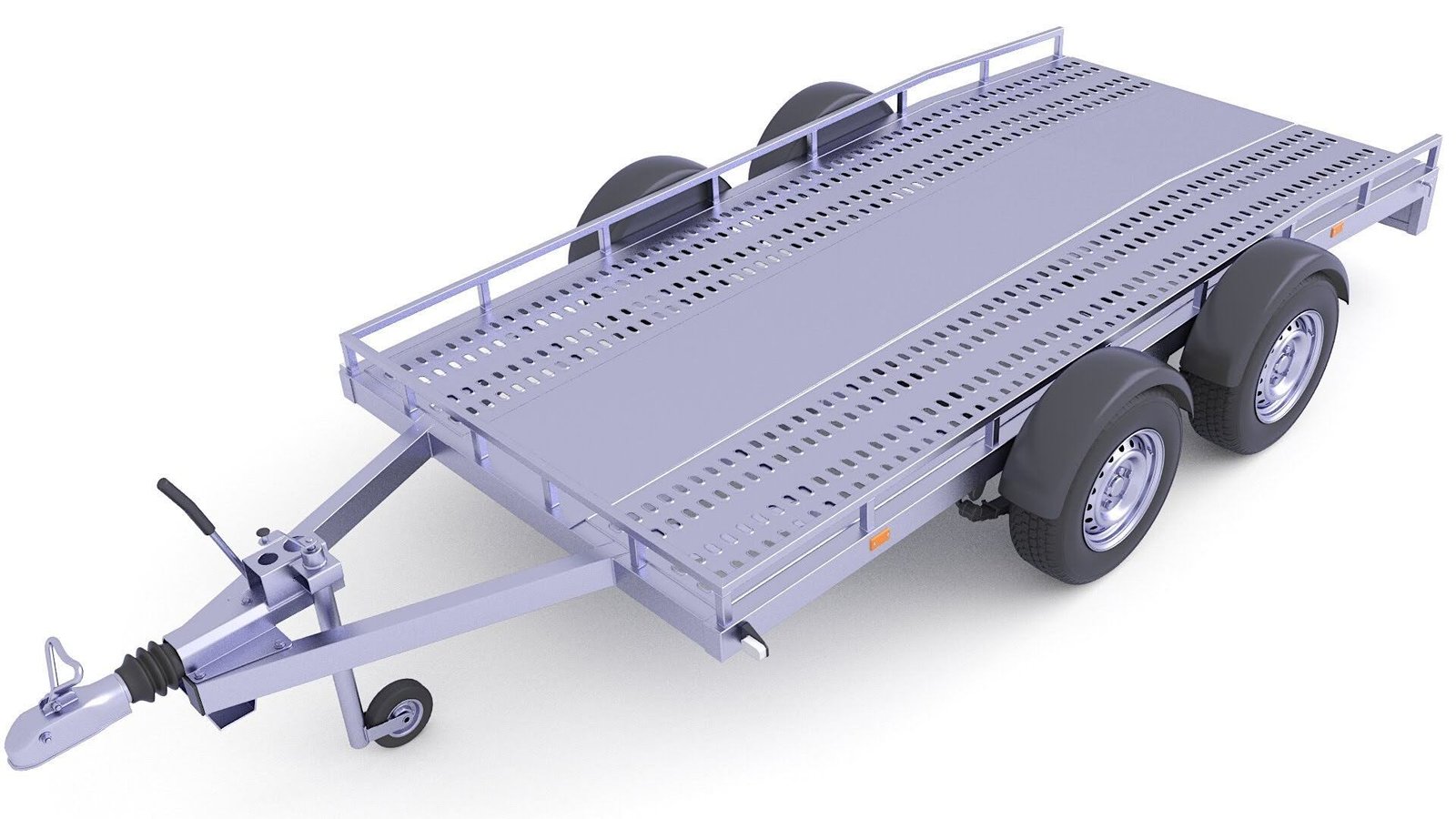
Ever wondered why your mate’s trailer still looks brand new after five years, while yours is showing serious signs of wear? Perhaps you’ve been scratching your head about where to store your car trailer during the off-season? Or maybe you’re worried about security and want to know how to keep your investment safe from opportunistic thieves?
You’re not alone. Proper trailer parking and storage is something many Perth owners overlook until problems arise. Whether you’ve just purchased your first car trailer in Perth or you’re a seasoned trailer user looking to up your maintenance game, getting storage right can save you thousands in repairs and extend your trailer’s lifespan dramatically.
In this guide, we’ll walk you through everything you need to know about trailer storage in Perth. From choosing between indoor and outdoor options to preparing your trailer for long-term storage, we’ve got you covered. Plus, we’ll explore local regulations, security measures, and cost-effective solutions that won’t break the bank. Let’s get stuck into it.
Understanding Your Trailer Storage Options in Perth
Indoor vs Outdoor Trailer Storage: Which Is Right for You?
Choosing between indoor and outdoor storage comes down to your budget, how often you use your trailer, and what you’re willing to risk. Indoor storage offers superior protection from Perth’s harsh sun, unexpected storms, and general weather exposure. Your trailer stays cleaner, and components like tyres and electrical systems last longer.
Outdoor storage, on the other hand, costs significantly less and provides easier access. Many Perth trailer owners find this works perfectly well, especially with proper covers and regular maintenance. The trade-off is more frequent cleaning and potentially faster wear on exposed parts.
Think about your usage patterns too. If you’re using your car trailer weekly, outdoor storage makes practical sense. For seasonal users who might go months between uses, indoor storage is worth the extra investment.
Commercial Storage Facilities vs Home Storage
Commercial facilities offer peace of mind with security features, insurance options, and proper drainage. Many Perth storage yards provide 24-hour access, CCTV monitoring, and secure fencing. This convenience comes at a monthly cost, typically ranging from $50 to $200 depending on location and amenities.
Home storage keeps things simple and saves money. If you’ve got the space in your driveway or backyard, this might be your best bet. Just be mindful of local council regulations and your neighbours’ patience.
What to Look for in a Trailer Storage Facility?
When scouting facilities, prioritise security features like gated access, surveillance cameras, and on-site management. Check the ground surface concrete or compacted gravel prevents soft ground damage. Good drainage is essential in Perth’s winter months when heavy rain can cause water pooling.
How to Prepare Your Car Trailer for Long-Term Storage?
Cleaning and Inspection Checklist
Before tucking your trailer away, give it a thorough clean. Remove all dirt, debris, and any organic material that could trap moisture. This isn’t just about aesthetics built-up grime accelerates rust and corrosion, particularly in Perth’s coastal areas.
Inspect the chassis, welds, and joints for any cracks or damage. Check your lights, reflectors, and wiring connections. Look at the coupling mechanism and safety chains for wear. Document anything that needs attention and address it before storage.
Don’t forget to lubricate moving parts like the jockey wheel, coupling, and any hinges. A light coat of grease prevents seizing and keeps everything operating smoothly when you’re ready to hit the road again.
Protecting Your Trailer from Perth’s Harsh Climate
Perth’s climate throws everything at your trailer: scorching summers, salty coastal air, and occasional heavy winter rains. A quality fitted cover is your first line of defence for outdoor storage. Look for breathable, UV-resistant materials that won’t trap moisture underneath.
Apply a protective wax coating to painted surfaces. For galvanised trailers, a light spray of lanolin-based protectant works wonders against corrosion. Pay special attention to electrical connections by applying dielectric grease to prevent oxidation.
Tyre Care and Maintenance Before Storage
Tyres suffer most during storage. Inflate them to the manufacturer’s recommended pressure actually, go slightly higher since they’ll naturally lose pressure over time. Consider using tyre covers to protect against UV damage, which causes cracking and premature ageing.
If storing for extended periods, think about raising your trailer on jack stands. This prevents flat spots and reduces stress on the tyres and suspension. Just make sure your stands are on stable, level ground.
Essential Trailer Parking Tips for Safety and Convenience
How Do You Properly Park a Trailer?
Proper parking technique starts before you even arrive at your storage spot. Choose a level surface whenever possible. Engage the handbrake on your tow vehicle, then lower the jockey wheel before uncoupling. This prevents the trailer from rolling unexpectedly.
Once disconnected, engage the trailer’s parking brake if fitted. Position the coupling at a slight upward angle to prevent rainwater pooling. Apply wheel chocks before releasing any brakes safety first, always.
Parking on Different Surfaces: Concrete, Gravel, and Grass
Concrete is ideal for long-term parking. It’s stable, well-drained, and won’t cause your trailer to sink. Gravel comes second just ensure it’s compacted and level. Avoid parking on grass for extended periods as moisture gets trapped underneath, accelerating rust.
If grass is your only option, consider placing wooden boards or rubber mats under the tyres and jockey wheel. Move the trailer periodically to prevent ground damage and allow air circulation underneath.
Using Wheel Chocks and Stabilisers Correctly
Wheel chocks should be placed on both sides of at least one wheel, preferably on opposite corners for maximum stability. Position them firmly against the tyre so there shouldn’t be any gap. Quality rubber or plastic chocks grip better than wooden alternatives. Stabiliser legs, when fitted, should be lowered until they’re firmly supporting the trailer but not lifting the tyres off the ground. This reduces sway and stress on the coupling mechanism.
Security Measures for Stored Trailers
How Can I Prevent My Trailer from Being Stolen?
Trailer theft remains a significant problem across Australia. Start with the basics always use a quality coupling lock, even at home. Make your trailer identifiable by etching your details onto the chassis and taking photos of unique features.
Park smart by positioning your trailer with the coupling facing a wall or another vehicle. This simple trick makes quick getaways nearly impossible. Registration plates should be clearly visible and up to date, as this deters thieves who prefer unregistered targets.
Best Locks and Anti-Theft Devices for Car Trailers
Invest in a heavy-duty coupling lock that covers the entire hitch mechanism. Wheel clamps provide an additional visual deterrent and physical barrier. For maximum security, consider GPS tracking devices they’re surprisingly affordable and give you real-time location monitoring.
Removable wheels are another effective option for long-term storage. Simply take them off and store them separately. No wheels, no quick escape.
Insurance Considerations for Trailer Storage in Australia
Check your existing policies carefully. Some home and contents policies cover trailers stored on your property, while others specifically exclude them. Dedicated trailer insurance typically covers theft, damage, and third-party liability.
When using commercial storage facilities, ask about their insurance provisions. Some include basic coverage in their fees, while others require you to arrange your own. Document your trailer’s condition with photographs before storage; this makes any future claims much smoother.
Maintaining Your Trailer During Storage
How Often Should You Check on a Stored Trailer?
Monthly inspections are ideal for long-term storage. Check tyre pressures, look for signs of pest activity, and confirm your security devices are still in place. A quick visual inspection takes minutes but can catch problems early.
Every three months, do a more thorough check. Test the lights, exercise the brakes, and move the trailer slightly to prevent flat spots. This keeps everything in working order and means you’re ready to go when needed.
Preventing Rust and Corrosion in Coastal Perth Areas
Salt air is relentless. If you’re storing near the coast, increase your cleaning frequency and apply protective coatings more liberally. Rinse your trailer with fresh water after any beach trips before returning it to storage.
Pay extra attention to joints, welds, and any areas where water might collect. Touch up any paint chips or scratches immediately bare metal corrodes rapidly in coastal environments.
Local Regulations and Compliance in Perth
Can You Store a Trailer on the Street in WA?
Western Australian regulations are clear: trailers cannot be parked on roads or verges for extended periods. Local councils actively enforce these rules, and fines can be substantial. Generally, trailers must be moved within 24 hours if parked on public streets.
Council Rules and Permit Requirements
Each Perth council has slightly different requirements for trailers stored on private property. Most allow trailers in rear yards without permits. Front yard storage often requires approval and must meet setback requirements. Check with your local council before assuming you’re compliant.
Cost-Effective Trailer Storage Solutions
How Much Does Trailer Storage Cost in Perth?
Expect to pay between $50 and $150 monthly for basic outdoor commercial storage in Perth. Indoor options range from $100 to $250 depending on location and security features. Premium facilities with 24-hour access and climate control sit at the higher end.
DIY Storage Tips to Save Money
Building a simple carport or shelter costs less than a year of commercial storage fees. Quality covers, proper maintenance, and regular inspections allow successful home storage for most trailer owners. Share storage space with neighbours to split costs many Perth backyards can accommodate multiple trailers.
Final Checklist for Trailer Parking and Storage Success
Getting trailer storage right doesn’t require complicated systems or massive budgets. It comes down to preparation, regular maintenance, and smart security choices. Clean your trailer properly, protect it from the elements, and keep up with inspections.
Remember that Perth’s climate demands extra attention UV protection, corrosion prevention, and proper ventilation are non-negotiable. Whether you choose commercial storage or keep your trailer at home, the principles remain the same.
Your car trailer represents a significant investment. Take care of it properly, and it’ll serve you reliably for years to come. Now you’ve got the knowledge, put it into practice and enjoy worry-free trailer ownership.


Amilia Brown is a seasoned business writer & strategist who simplifies complex business concepts and turn them into engaging narratives. As a trusted business writer, she delivers actionable insights with precision.



 Indian CEOs in America: A Detailed Account of the Masterminds
  Add Boosters to Your Business Wheels in 2025 with These 5 Strategies
  6 Skills Every Business Leader Should Possess and Hone
  The Vital Role Of Plastic Tubing In Our Medical Infrastructure
  Why Treating Your Employees like Assets and Investing in Them is a Good Idea